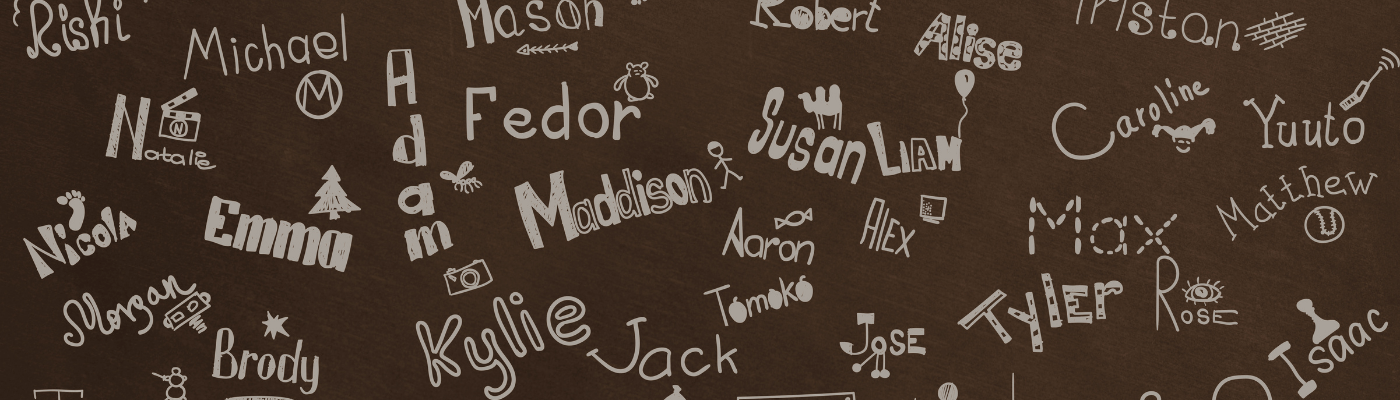
When parents are expecting a baby, they face important decisions. One of these is deciding on the perfect name for their expected bundle of joy. Some look for unique names. Some choose to name their baby after beloved family members. Some look for names that have special meanings to them. In the Yorùbá tradition, names chosen are destiny-specific. If you ask a Yorùbá person their name, be prepared for a multi-name response!
The Yorùbá belief is that we come into this world with our individual purpose and path to navigate. As such, a name is much more than what’s trendy or sounds nice. Our name is our sacred spiritual identity. Each name encapsulates purpose, aligning individuals with their life’s path. Each time our name is called, it is like a prayer being said for us. It serves as a prophecy that speaks to who we are. It is a compass that helps us navigate our individual path.
Àkọsẹjáyé is a sacred birth ritual. It is usually performed on the third day after a child’s birth. This ritual determines the newborn’s destiny, purpose, and potential life path. It is during this ritual that the child’s name is determined. This is a significant process, as it sets a foundation and spiritual fortification for the path. Names can also indicate the circumstances of a birth. For example, twins are named Taiwo (the child born first) and Kehinde (the child born second).
Likewise, when initiates receive a name during Ifa/Orisa initiation, it also serves to align them with their destiny. This spiritual name not only reflects the Orisa they are initiated to, but also provides further clarity of their path. For example, Ṣàngógbèmí (Ṣàngó supports me/stands by me) would be a name given to an initiate of the Orisa, Ṣàngó. The name, Ṣàngógbèmí, lets the initiate know that they have Ṣàngó’s full support. Ṣàngó is a very powerful warrior Orisa.
A name is rooted in the belief, “Orúkọ ńróni”. Meaning, a name influences a person’s destiny. No one receives a name without understanding its meaning. When you tell someone your name, without a doubt, they will know what it means. For example, they will know which Orisa you are initiated to. They will know if you’re a twin. They will know if you were the first or second born twin. Your name speaks to your story.
In the Yorùbá culture, a name isn’t just a matter of preference; it’s a spiritual declaration of destiny. Each name is a destiny marker, a spiritual identity shaping your life’s journey. The profound ritual, Àkọsẹjáyé, reveals a child’s purpose and circumstance. Ifa/Orisa initiations give further clarity and understanding of one’s path, turning names into powerful prophecies. So, if you were to ask the Yorùbá, “What’s in a name?” Their response would be, “Everything!”
Ábọrú Àbọyè Àbọṣíṣẹ
Ire o! 💛🍃
Discover more from On Destiny's Path
Subscribe to get the latest posts sent to your email.
 On Destiny's Path